

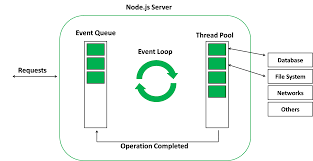
Understanding Node.js Event Loop
Node.js is known for its asynchronous, non-blocking I/O model, which relies heavily on the event loop. This article explains how the Node.js event loop works, including phases like timers, I/O callbacks, idle, poll, and check. It also explores how callbacks, promises, and async/await integrate with the event loop, and how developers can avoid pitfalls like blocking the event loop or callback hell. Understanding this concept is crucial for building high-performance backend applications.
Related Blogs
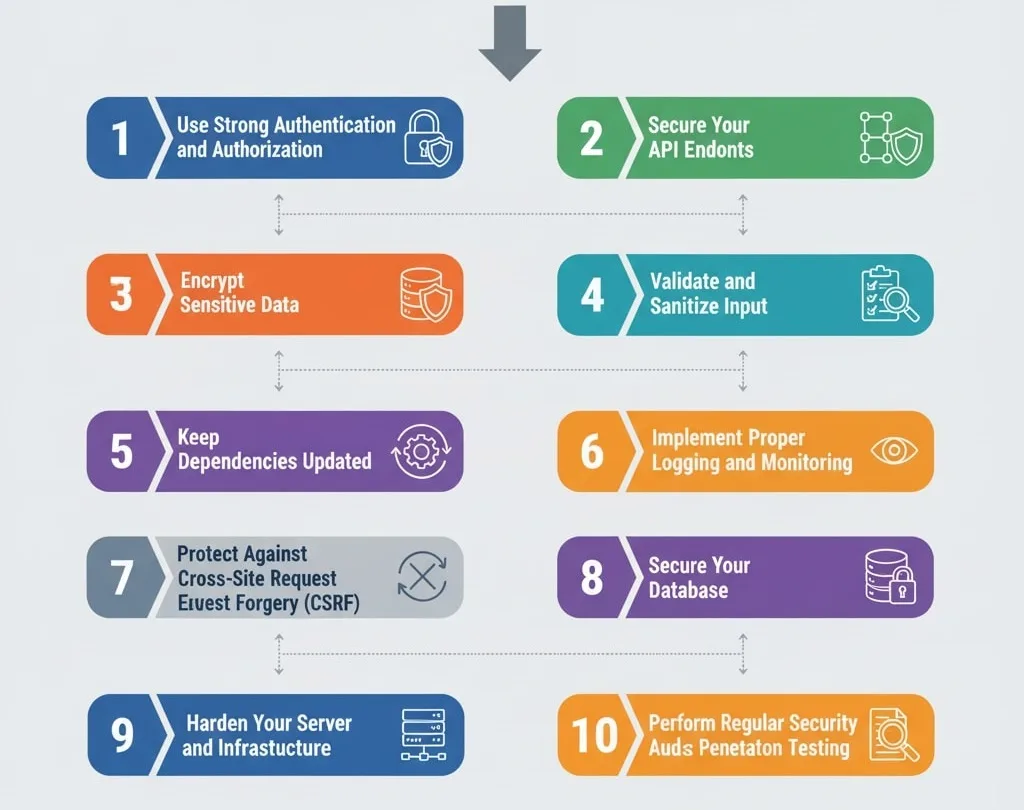
Securing Your Backend Applications
Backend DevelopmentSecurity is critical in backend development, as vulnerabilities can lead to data breaches and compromised systems. Th...
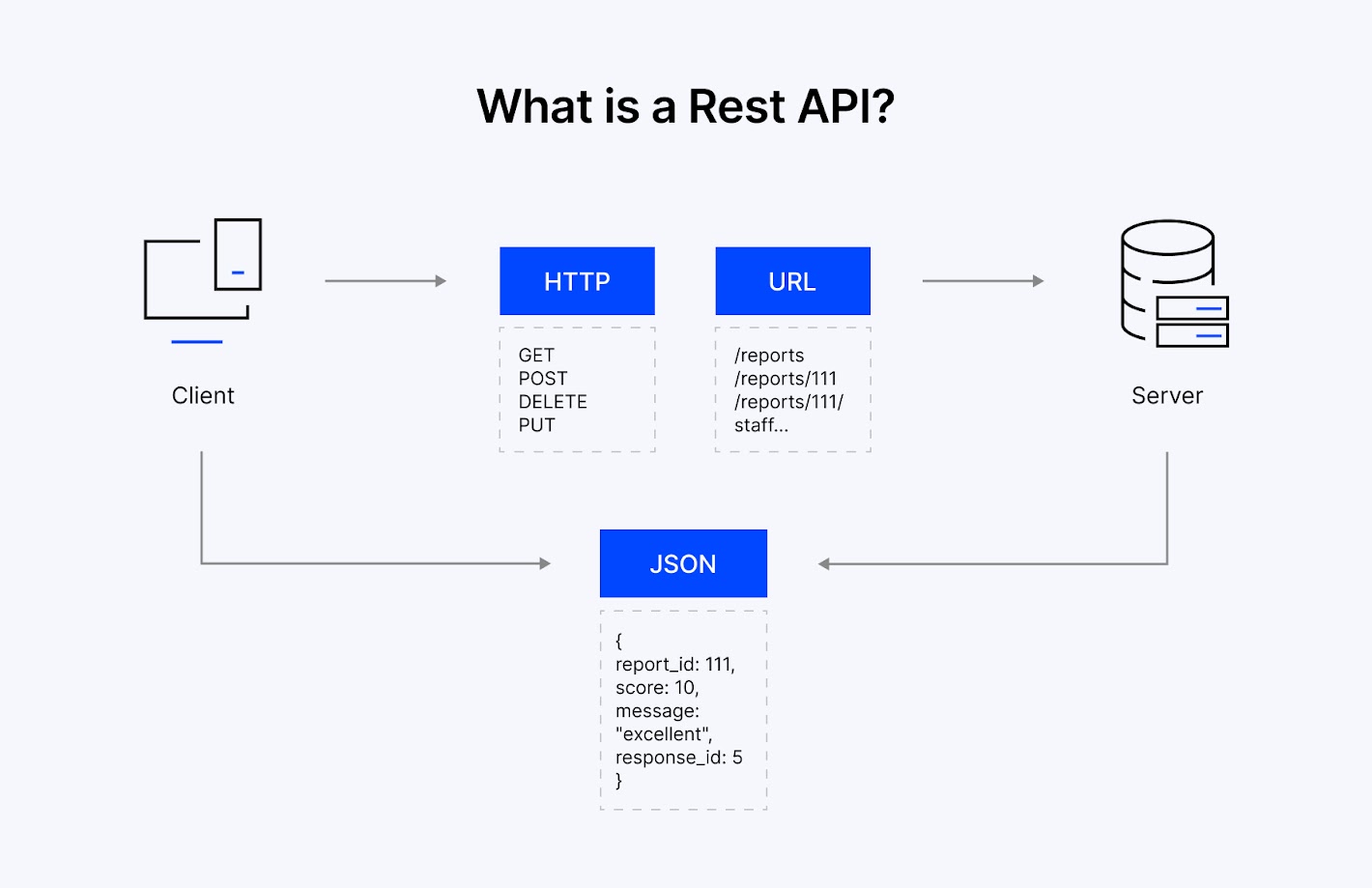
Building RESTful APIs with Laravel
Backend DevelopmentRESTful APIs are the backbone of modern web applications, enabling client-server communication. In this blog, we expl...
Building Scalable Backend APIs with Laravel
Backend DevelopmentThis guide covers how to build scalable and maintainable backend APIs using Laravel. Topics include routing, controll...